What soft washing is designed to accomplish
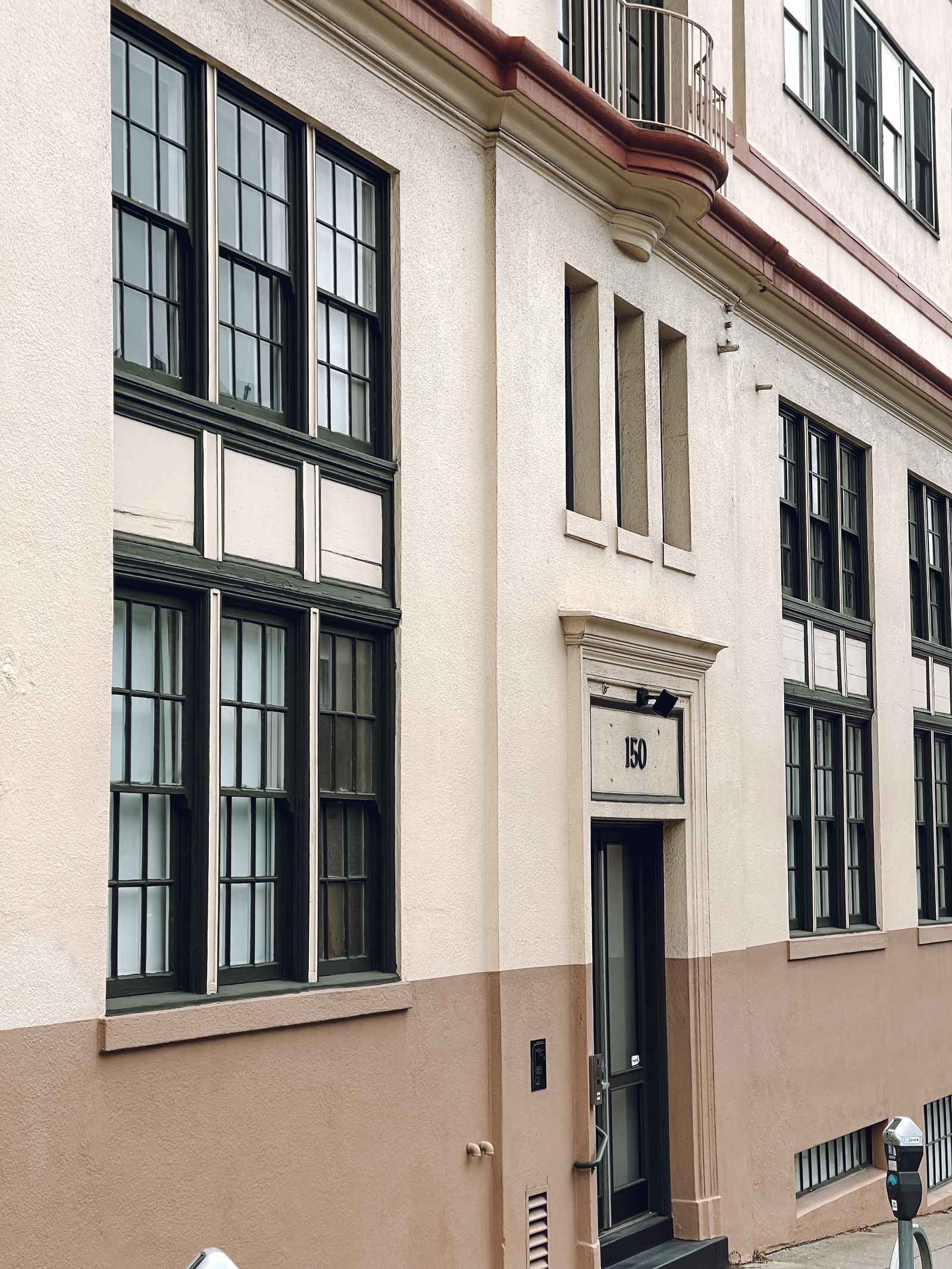
Soft washing generally uses compatible chemistry, measured dwell, and a lower-impact rinse to loosen and remove appropriate contamination. It may fit organic growth, pine pollen, bird residue, ordinary surface soil, and atmospheric film on compatible brick, concrete, stucco, EIFS, painted finishes, and other tested materials. The word soft does not mean every building receives identical treatment. The crew still needs to understand the substrate, coating condition, residue, temperature, shade, water path, and finish standard. A test area and dry inspection are more useful than a generic promise based only on a label.
Soft washing cannot correct an active roof leak, failed flashing, open mortar, cracked stucco, failed sealant, spalled concrete, corrosion, loose paint, damaged glazing, or a grading or irrigation problem. A pale deposit may be mineral spotting; a dark streak may be roof runoff; a dull metal panel may be oxidation. If the cause is not removed, the mark may return after a clean surface is handed back. A credible proposal says what appearance condition is being addressed and what should go to a roofer, mason, glazier, painter, corrosion specialist, or building-envelope professional.
Where controlled pressure can fit
Controlled pressure can be useful on selected durable surfaces such as a tested concrete apron, loading-yard pavement, bollards, dumpster pad, or other hardscape where splash, noise, surface condition, and runoff can be managed. It may also be one part of a mixed method, with soft washing on a compatible facade and lower-pressure or contact work at the ground plane. The relevant question is not whether pressure exists, but whether the pressure, nozzle, distance, flow, temperature, chemistry, and operator control fit that specific surface and soil.
High pressure can erode mortar, roughen concrete, drive water behind a finish, damage stucco or EIFS, strip a coating, mark softer stone, disturb sealants, or spread contaminated mist toward people and equipment. It can also create more uncontrolled splash at a downtown sidewalk, medical drop-off, retail storefront, or warehouse dock. A pressure number without a material, test-area, protection, and runoff discussion does not define a responsible scope. Tyler's mixed commercial properties need the method selected zone by zone.
Read Tyler's residue instead of guessing from a photograph
Pine pollen may collect on ledges and horizontal details, while humidity and shade can keep organic-looking film on north-facing walls and covered entries. Irrigation overspray can leave mineral spotting on glass, brick, painted metal, or signs. Storms can move soil from a roof, parking lot, or landscaped bed toward a wall or door. Traffic and truck routes can add soot or road film. These conditions can overlap, and a dark mark is not proof of mold or algae. The expected treatment should be based on inspection, a representative test, and a dry review when the finish matters.
On a downtown office, Broadway Avenue storefront, medical campus, retail center, or warehouse, separate broad soil from bonded mineral deposits, oxidation, construction film, graffiti, coating failure, and repair conditions. A soft wash may improve compatible film without removing every deposit. Pressure may move loose soil from a durable apron without changing a stained painted panel. Hand detail, specialty chemistry, glass work, restoration, repainting, or repair may be the correct next scope. Honest exclusions protect the owner's budget and the building's materials.
Make the method work around people, access, and weather
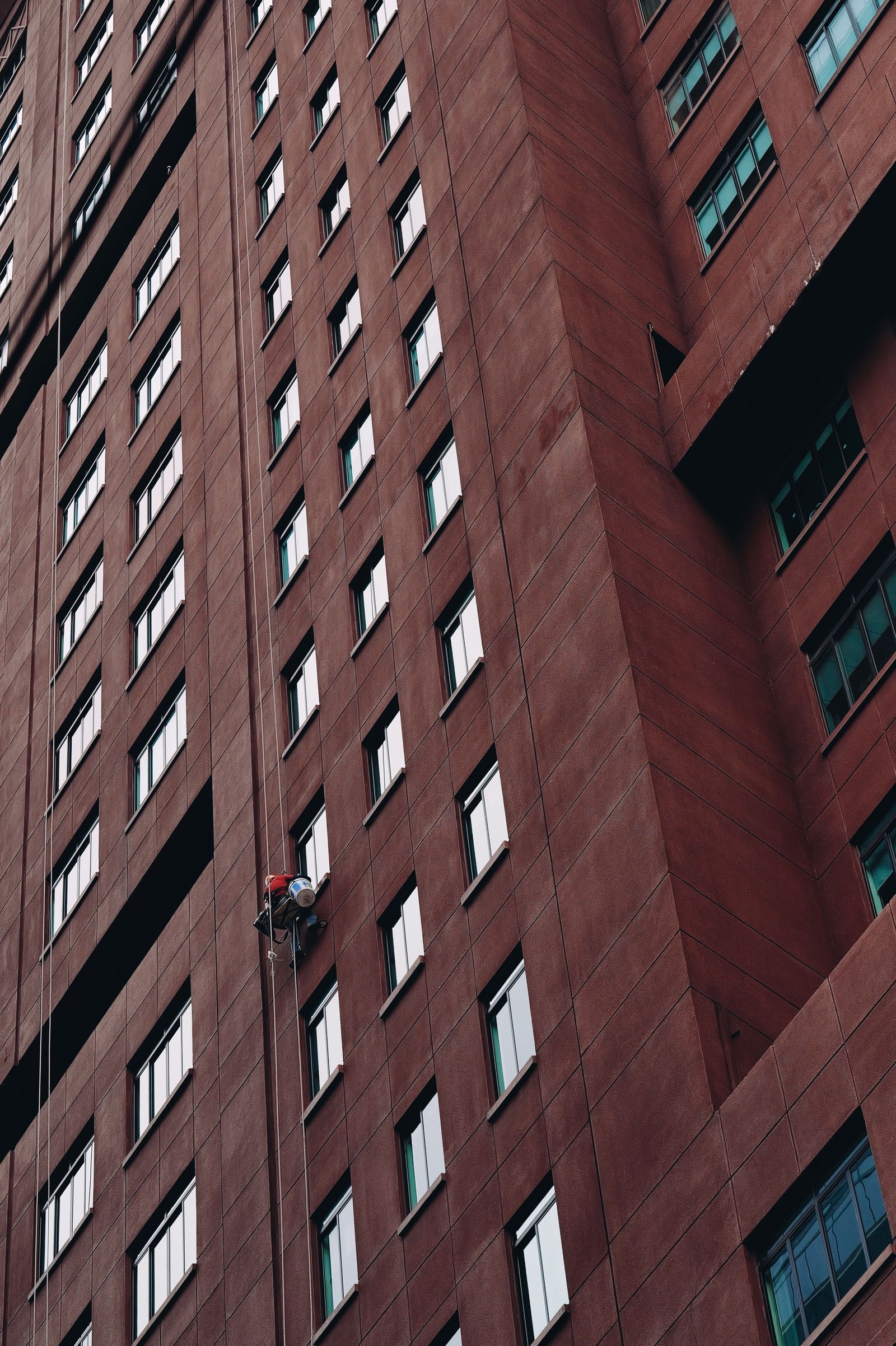
The best method is also an operating plan. Downtown Tyler and Broadway Avenue can put pedestrians, curb parking, customer entrances, deliveries, and event traffic close to the facade. Medical properties may need patient drop-offs, accessible routes, ambulance access, and air intakes protected. Retail properties may need storefronts, drive-through lanes, signs, and tenant doors available. Warehouses may need separation from forklifts, trucks, docks, gates, and production or shift changes. A low-pressure process still needs barriers, spotters, hose routing, communication, and a person authorized to pause the work zone.
East Texas weather changes both methods. Heat and direct sun can shorten dwell time and accelerate dry-down. Pine pollen can settle on a recently cleaned elevation. Humidity can keep a shaded wall or covered walk damp. Storms bring wind, lightning, heavy rain, standing water, and moving runoff. A responsible schedule states weather limits and explains what happens if conditions change. Do not let a calendar date override wind, lightning, surface temperature, visibility, safe access, or the ability to leave a dry and usable handback.
Plan irrigation and runoff before the first rinse
Tyler properties often combine landscaped beds, irrigation heads, parking slopes, curb inlets, detention areas, drive aisles, loading zones, and low points below the facade. Identify where water starts, where hoses cross, where rinse water will travel, and which plants, doors, vehicles, air intakes, electrical equipment, and neighboring parcels need protection. Irrigation schedules can change the surface condition during a job and may carry residue toward a drain after the crew leaves. The field lead should watch the first rinse and stop when observed flow no longer matches the plan.
The closest storm inlet is not automatic permission to discharge. Product choice, soil load, rinse volume, slope, receiving system, and local requirements matter. Depending on the work, controls may include diversion, collection, recovery, filtration, reduced rinse volume, plant protection, disposal, or coordination with the responsible authority. City and state stormwater resources can inform planning, but an online source does not approve every discharge at every address. Put assumptions, pause triggers, and closeout documentation in the proposal.
Compare Tyler proposals by scope, not pressure number
Give each bidder the same Tyler address, photographs, approximate height, materials, priority elevations, residue description, work window, water source, irrigation information, drainage features, public routes, tenant or security rules, delivery restrictions, and desired finish. Ask each bidder to identify the method for each zone, the test-area approach, access equipment, protection plan, weather limits, runoff assumptions, and the conditions excluded from routine washing. The proposal should distinguish soft washing, controlled pressure, rinsing, glass detail, hand work, restoration, repair, and any aerial assistance.
A useful quote is clear about what can improve, what may remain, how the property will operate during work, and how completed areas will be inspected. For Tyler owners, that may mean soft washing a compatible upper facade, hand-detailing Broadway-facing entry glass, using controlled pressure on a tested concrete apron, and leaving a roof-edge or irrigation repair for another trade. Call +1 239-351-2897, email contact@dronebuildingcleaners.com, or use the existing quote/contact CTA to share the property details and request a building-specific conversation.